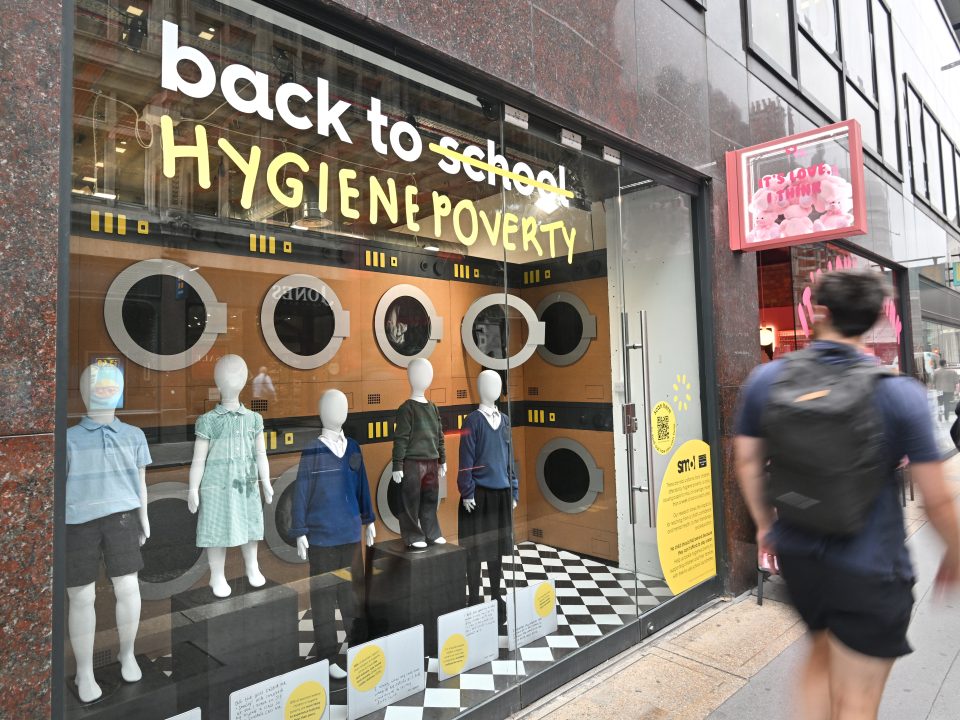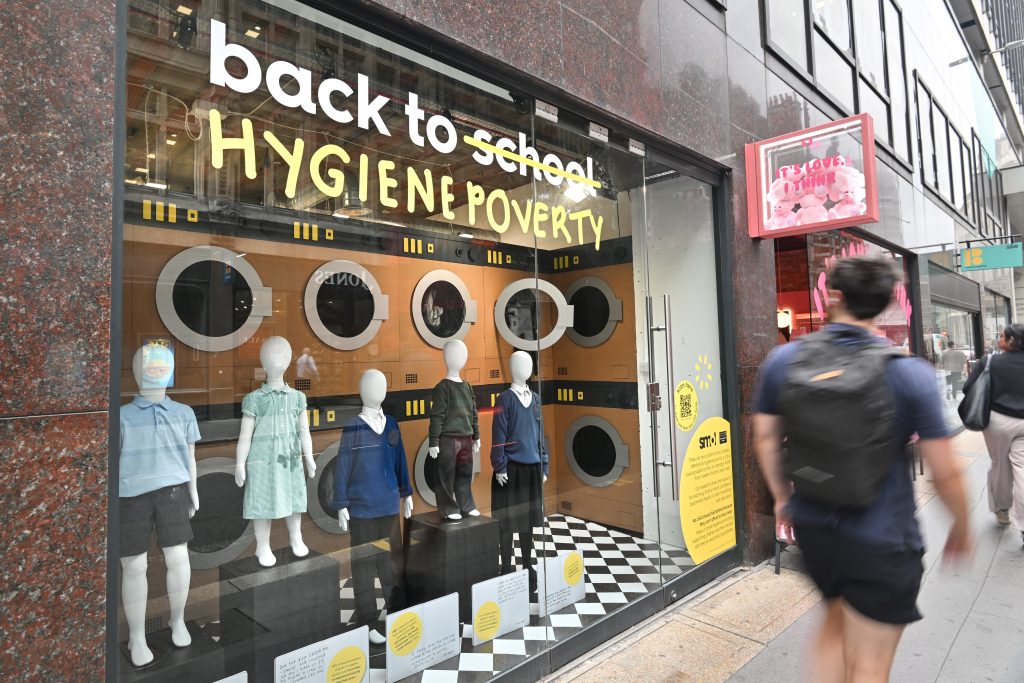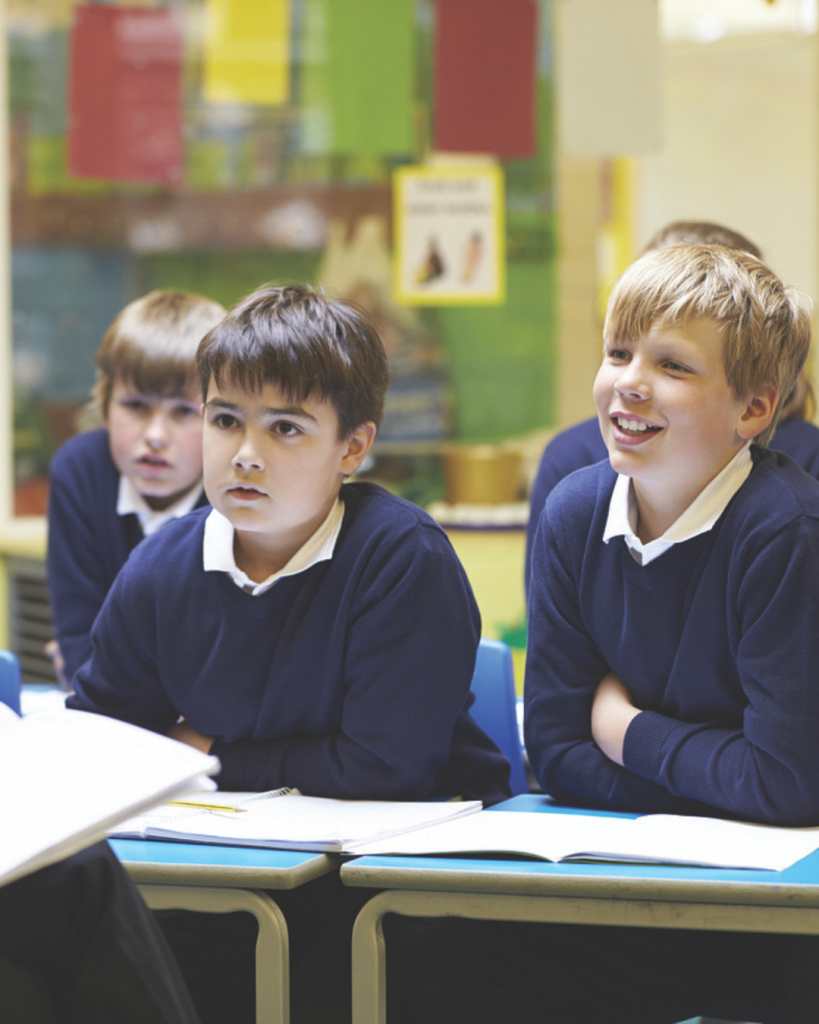
Hygiene poverty is a hidden crisis affecting millions of children across the UK – and teachers are often the first to see its impact; from children avoiding PE because of unwashed kits, to withdrawal from classmates or repeated absences, the signs are there. Yet many school staff say they’ve never been given guidance on how to talk about hygiene in a way that protects a child’s dignity without making things worse.
That’s why smol has created a free Hygiene Poverty Resource for Teachers: a practical, evidence-informed guide designed to help school staff answer the question, “What do I actually say and how can I help?”
Why is this resource needed?
smol’s research among state school teachers found that 1 in 4 children in the UK experience hygiene poverty, and schools are increasingly dealing with the day-to-day consequences of the cost-of-living crisis.
Despite being on the front line:
- 82% of state school teachers say they find it hard to raise the topic of hygiene with pupils or families
- 59% of teachers have never received training on how to identify or support children affected of hygiene poverty
- Nearly 1 in 3 teachers report seeing hygiene poverty daily in their school
Without a clear professional framework, teachers are reporting a dramatic rise in isolation, stigma and bullying, alongside the emotional and academic fallout for pupils who simply can’t afford to stay clean.
This new guidance is the first UK resource to offer teachers and school staff a practical conversation framework for navigating hygiene poverty in real classroom settings.
What’s in the resource?
- What hygiene poverty is, and how it can show up in the classroom
- How to approach a child sensitively and without stigma
- What to say (and what not to say)
- How to respond when a child asks for help
- Handling peer comments and protecting a child’s dignity
- How to framing hygiene poverty with a class
- How to support families and provide further help
Developed as part of smol’s Suds in Schools programme, the resources have been authored in collaboration with Professor Sam Wass, Anna Gawthorpe and Alice Reedy, Primary and Early Years PGCE, University of East London, Martin Ellory, Reception Teacher, Childeric Primary and NAHT, the school leaders’ union.
As Professor Sam Wass explains, hygiene poverty isn’t just practical – it’s emotional and cognitive too. Fear of being singled out can block a child’s ability to focus, learn and connect with others. This guide gives teachers psychologically informed tools to handle these moments with care.
The NAHT has also emphasised that while schools are often left to fill gaps in wider services, resources like this are essential in helping staff respond with compassion while following safeguarding procedures.
This resource is not about asking teachers to do more. It’s about offering practical, usable support that reflects what schools are already dealing with every day.
The Hygiene Poverty Resource for Teachers is available now as a free PDF download for all UK school staff – whether or not they’re part of Suds in Schools.
You can download the resources here.
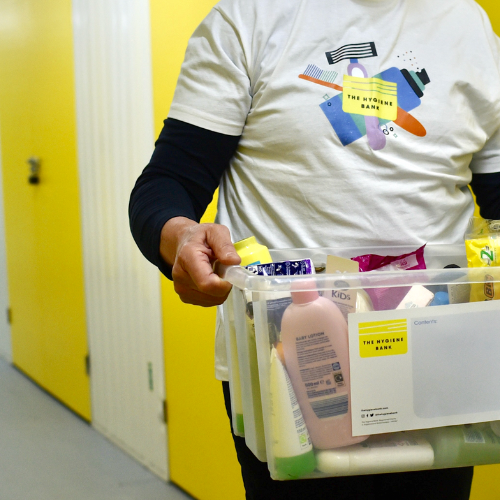
smol and The Hygiene Bank
This resource builds on smol’s long-standing partnership with The Hygiene Bank, working together to end hygiene poverty and ensure children and families can access the essentials they need to fully participate in society. Through ongoing product donations and support, smol is helping to reduce the daily impact of hygiene poverty in communities across the UK.
You can read more about the real-world impact of smol’s donations and why this work matters so deeply to us on our blog.