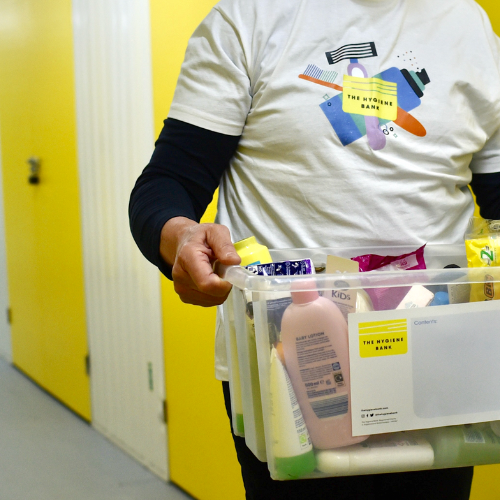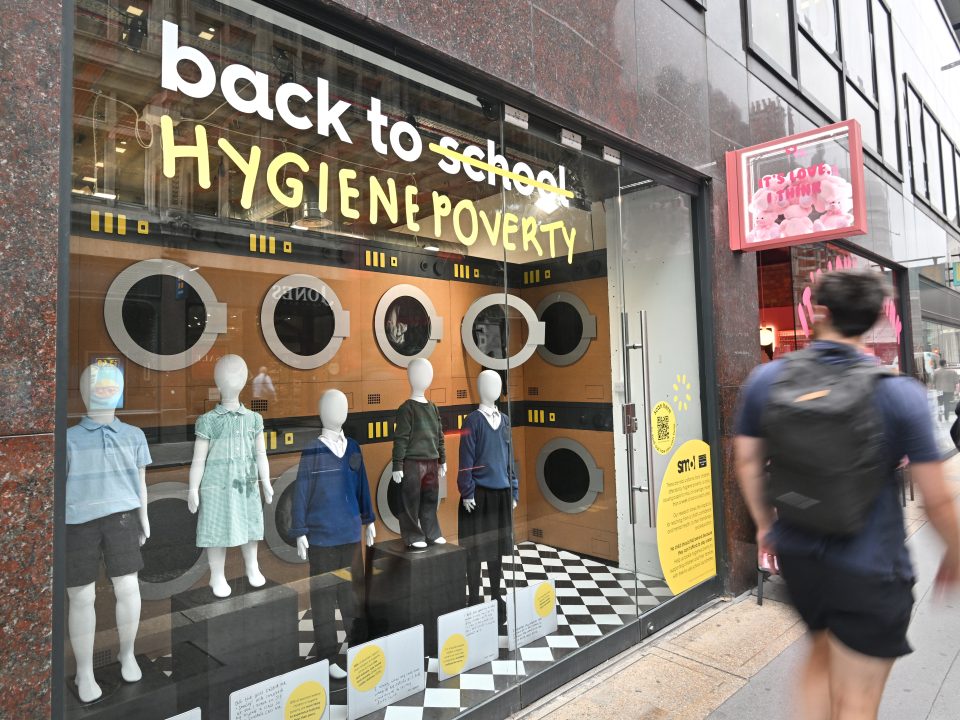
There is a silent crisis that often goes unnoticed: hygiene poverty. This is a reality for over 3 million people across the UK, as they struggle to afford basic toiletries and cleaning products.
According to recent research conducted by smol, a third of Britons experiencing hygiene poverty are having to re-wear dirty clothes since they cannot afford laundry detergent. For these families, the struggle to purchase laundry detergent isn’t just about cleanliness—it’s often the first sign that they are falling into crisis.
Lorraine Waters, a volunteer at The Hygiene Bank (THB) Bromley and Trustee at THB emphasises the profound impact of this struggle on families: “We take feeling clean and having clean clothes for granted, but you can imagine the impact on some of us. The feelings of shame, the stigma, the self-isolation, the social exclusion, and the impact on mental health.”
With laundry detergent being one of our most requested items, it’s evident that the issue has a significant influence on mental health. Approximately 2.6 million Britons have found themselves unable to afford to wash their clothes, forced to prioritise essentials like food and electricity over basic hygiene needs.
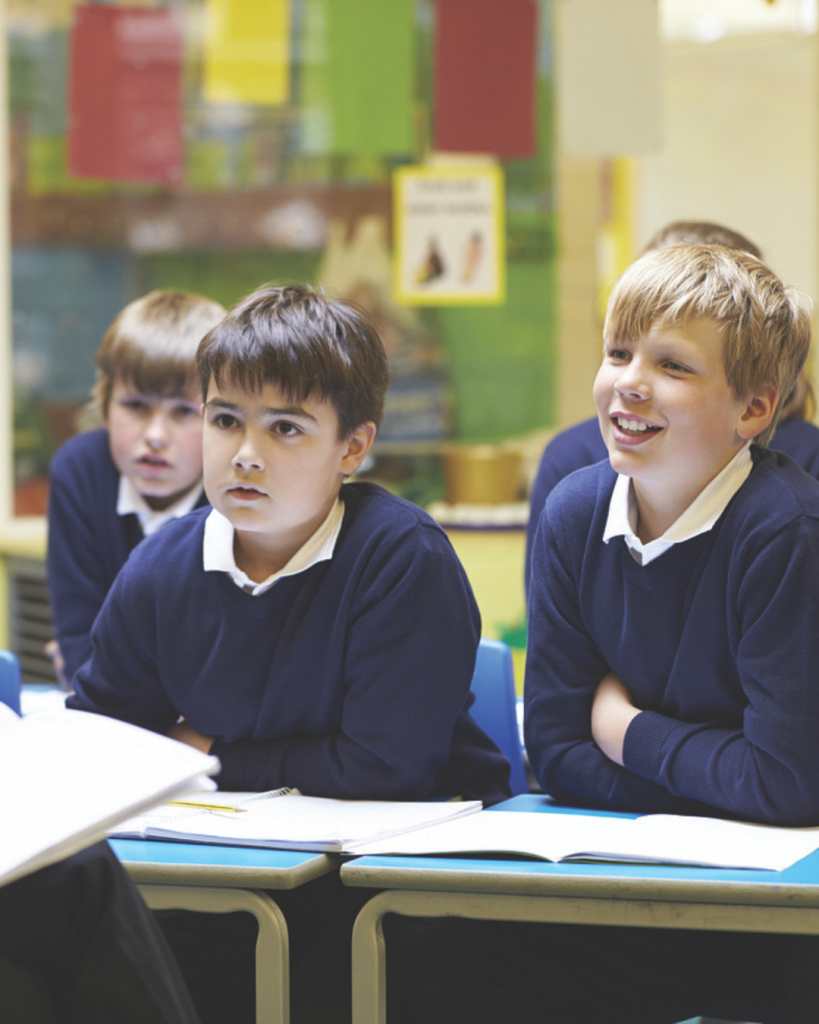
Perhaps most concerning is the impact on young people, aged 16-24, who are disproportionately affected by hygiene poverty. Nearly all within this age group have struggled to afford to wash their clothes, with a quarter doing so frequently. The negative effects on their mental wellbeing and job prospects are particularly pronounced, highlighting the urgent need for intervention and support.
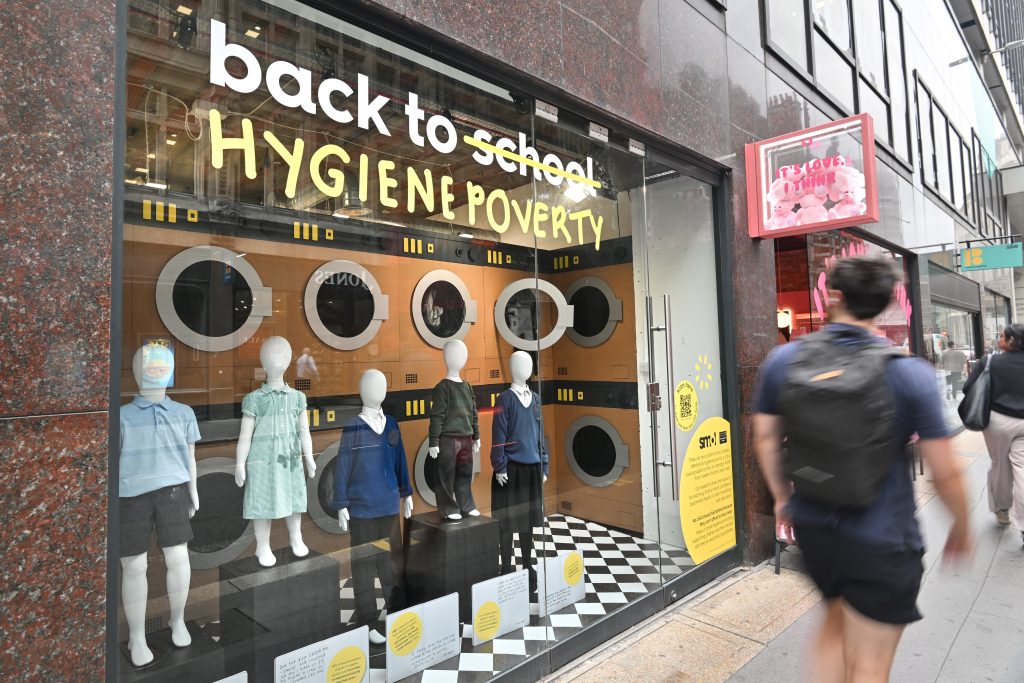
In response to these shocking findings, smol has launched the ‘Clean Clothes Can…’ campaign, aiming to raise awareness of hygiene poverty and generate 250,000 washes for The Hygiene Bank. By providing essential laundry capsules, the campaign seeks to ensure that everyone, regardless of their financial circumstances, has access to clean clothes. Because clean clothes can make a big difference.
On Sunday 24th March, THB Bromley appeared on BBC Politics London to further explain the extent of this national crisis and how this local project is supporting their local community. You can watch THB Bromley’s interview in BBC Politics London here and you can read the BBC article about the stat of hygiene poverty in London here.
To find out about the multiple ways to help smol and The Hygiene Bank meet the target of 250,000 washes, and read more about what Clean Clothes Can do, visit their website.