Hygiene Poverty affects 4.2 million adults in the UK.
That is an increase of over 1m people compared to 2022, which is the equivalent of the whole population of Birmingham
Today, The Hygiene Bank (THB) unveils shocking findings from our latest research report ‘Hygiene Poverty in 2024’. We now estimate that 4.2m adults in the UK are currently living in hygiene poverty, a significant increase of 1.1m people compared to the findings in 2022, highlighting the escalating severity of this silent crisis.
The study, conducted by YouGov, uncovers the devastating impacts of hygiene poverty on individuals and families across the nation, exposing the effects hygiene poverty has on mental and physical health and how it acts as a barrier to education and work.
Key findings from the research include:
- In the past 12 months, 69% of those affected by hygiene poverty have had to choose between paying for food or bills and buying toiletries and cleaning products
- 65% of parents affected by hygiene poverty have had to choose, in the past 12 months, between buying hygiene products for themselves or their children
- Those who have experienced hygiene poverty in the past 12 months are more likely to have gone without razors (50%), laundry detergent and cleaning products (46%) and deodorant (42%) because they couldn’t afford it.
- 54% of those affected by hygiene poverty have not gone to the dentist in the past 12 months
- Hygiene Poverty affects 17% of those who are unemployed compared with 13% of those working part-time and 7% working full-time
The research uncovers the disproportionate burden of hygiene poverty on specific demographic groups. With 8% of the population being affected by hygiene poverty, individuals with disabilities or long-term conditions (21%), those in lower-income households (18%) and those from ethnic minorities (12%) are disproportionally affected.
One of the most shocking findings is the impact of hygiene poverty on people’s mental health, with 68% saying it has affected their mental health, and nearly half of those affected (48%) in the past 12 months saying they are too embarrassed to ask for help to access hygiene products.
In response to these alarming findings, Ruth Brock, CEO of THB, has issued a call to action demanding policymakers, communities and charities join a movement to end hygiene poverty: “These statistics are not just numbers, they represent the lived experiences of millions of people. These findings are a wake-up call to our society, we need to ask ourselves if we’re prepared to tolerate a world in which your neighbour is trapped in their home because they can’t afford to clean their clothes, where Mums are choosing between toothpaste for their children and tampons for themselves, in which your colleague couldn’t afford to shave before they came to work. It’s time to come together and make changes to address this silent crisis.”.
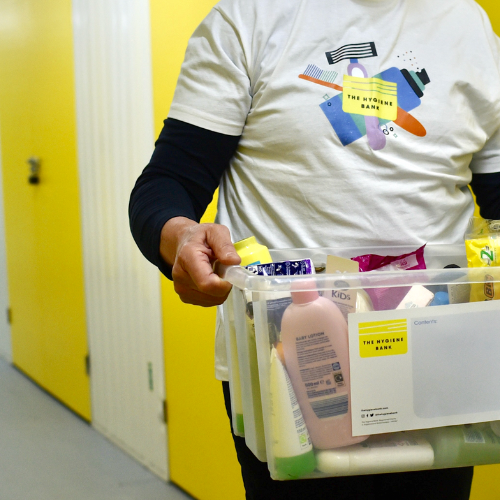
We invite you read the report and take action now. Whether it is by sharing our content on social media, giving £20 to get a family the basics they need or by signing up to volunteering with us, your generosity will go a long way. Because we believe that everyone deserves to feel clear.